







In short: Microsoft ended Windows 10 support on October 14, 2025. With consumer Extended Security Updates running only through October 13, 2026, and an estimated 30–40% of business PCs unable to meet Windows 11’s hardware requirements, 2026 has become the largest synchronized business hardware refresh in a decade — and all-in-one computers are a natural replacement.
For distributors and brands, a software deadline has quietly become a hardware-buying event. Millions of still-working desktops now need replacing, and the way businesses replace them is shifting toward cleaner, space-saving all-in-one computers.
The Deadline That Became a Buying Event
Support for Windows 10 ended on October 14, 2025. Machines still run, but Microsoft no longer ships free security updates. Consumers can buy one more year of Extended Security Updates for about $30, covering devices only through October 13, 2026. Meanwhile, Windows 11 requires TPM 2.0, Secure Boot and a supported CPU generation — and industry estimates suggest roughly 30–40% of corporate desktop and laptop fleets did not meet that baseline. For most of those machines, the practical answer is replacement, not an in-place upgrade.
A Long Migration Tail Into 2026 and 2027
This is not a one-off spike. Analyst firm Omdia expects meaningful Windows 10 usage to continue through 2026 and into 2027, with small and mid-sized businesses forming a long tail of upgrades. For enterprises, security is the primary motivator — unsupported systems are a compliance and risk liability. The upshot: demand for Windows 11-ready hardware will keep rolling through 2026, not disappear after one quarter.
Why All-in-One Computers Fit the Refresh
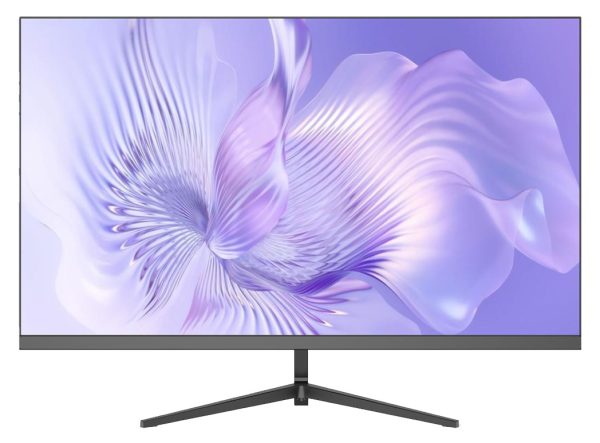
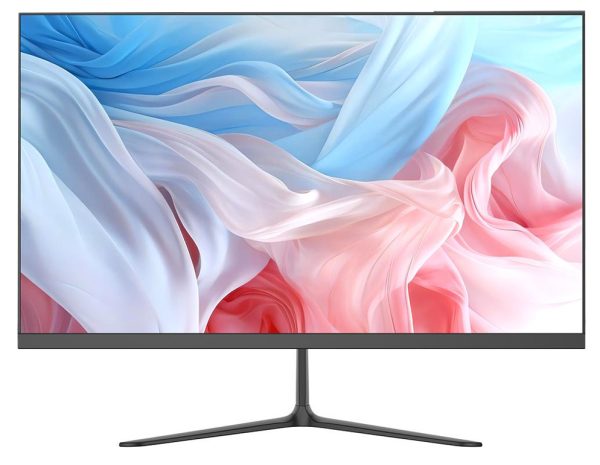
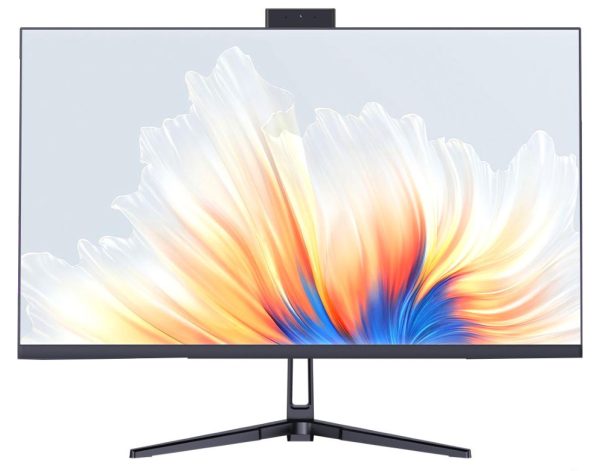
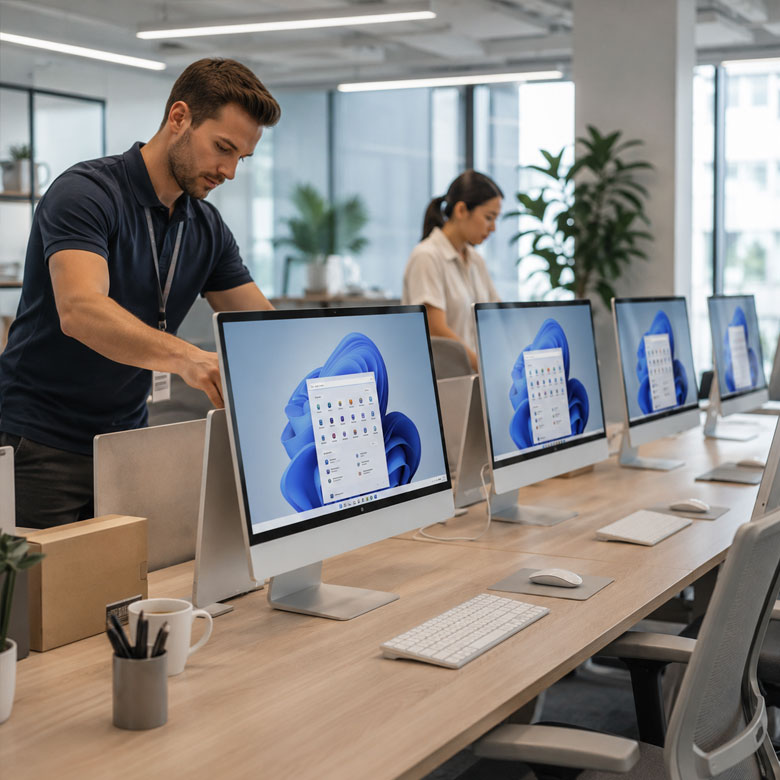
When a business replaces an old tower, the cleanest option is often to keep the desk setup and simply swap the box for an integrated unit. An all-in-one computer combines the display and PC into a single, tidy device — which is exactly why nearly half of offices already favor integrated systems to cut clutter and simplify IT management.
- Reception and workstations where desk space is limited.
- Retail and point-of-sale counters that need a clean footprint.
- Education labs that benefit from fewer cables and easier maintenance.
- Healthcare and hospitality front desks needing reliable, compact machines.
What This Means for Distributors and Brands
The refresh is large, time-boxed and global — a genuine window of opportunity. Brands that can offer Windows 11-ready all-in-one computers across every price tier, ideally under their own label, are well positioned to capture it. And because this coincides with 2026’s memory-driven price pressure, sourcing factory-direct from an OEM/ODM all-in-one computer supplier helps protect margins while meeting the surge.
Frequently Asked Questions
Is Windows 10 still safe to use in 2026? It still runs, but without free security updates after October 14, 2025. Consumer ESU covers devices only through October 13, 2026; after that, unenrolled machines get no patches.
Why choose an all-in-one over a tower? It reduces clutter, simplifies deployment and IT management, and keeps existing peripherals — a clean, space-saving replacement for offices, retail and education.
The Windows 10 sunset created a rare, synchronized wave of demand. For buyers who move early with the right all-in-one computer partner, it’s less a deadline and more an opportunity.






No comment