





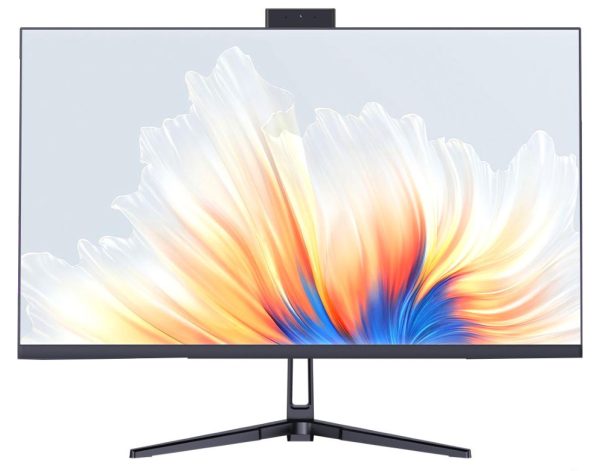
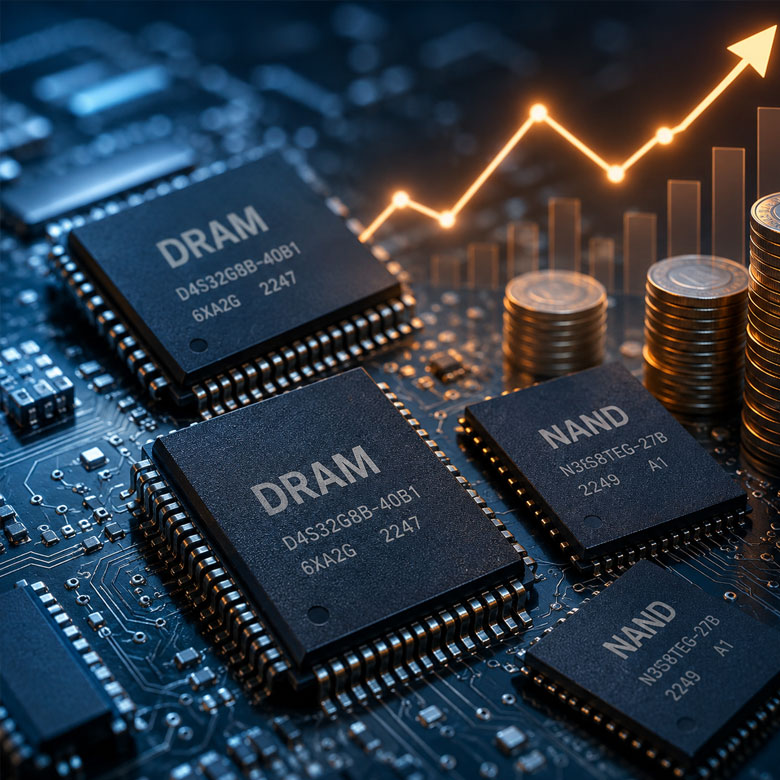
In short: A global shortage of DRAM and NAND memory — nicknamed “memflation” — is pushing PC prices sharply higher in 2026. IDC expects average PC selling prices to climb around 18% this year, with no real relief before the end of 2027. For anyone sourcing all-in-one computers, that changes how and when you should buy.
If you buy or resell all-in-one computers, 2026 is not a normal year. After the AI-driven demand surge of 2025, memory has become scarce and expensive, and that cost is flowing straight into finished PCs. Understanding why — and acting early — can protect your margins.
What Is "Memflation"?
Memflation is the nickname analysts gave to the steep rise in memory prices that began with the 2025 boom in AI hardware. As data-center demand absorbed huge volumes of DRAM and NAND flash, supply for ordinary PCs tightened. Both Counterpoint Research and IDC have tied the 2026 wave of PC price increases directly to these memory costs, and Gartner has used the “memflation” label to describe the effect.
How Much Are Prices Rising?
According to IDC, average selling prices for PCs are forecast to rise roughly 18% in 2026, and analysts caution that pricing is unlikely to fall back to 2025 levels even once memory capacity expands. Early in the year, shipments actually grew — Gartner reported about 4% growth and IDC around 2.5–3% in the first quarter — but both firms describe that growth as artificial: buyers and distributors were front-loading orders ahead of the hikes, not responding to genuine demand. IDC now expects full-year PC shipments to fall by double digits, with the fourth quarter hit hardest.
Why It Hits Smaller Buyers Hardest
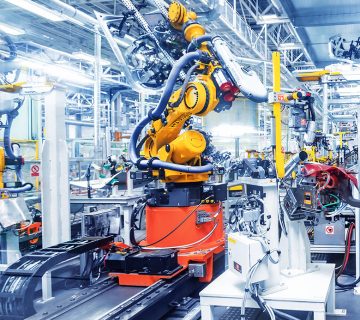
Large vendors such as Apple, Dell and Lenovo can buy memory in volumes that smaller brands simply cannot match, and IDC has warned that smaller players may struggle to keep full product lines available. For distributors and B2B brands, that raises the stakes on two things: reliable component access, and factory efficiency. Working with a manufacturer that controls its own production chain becomes a real advantage when parts are tight.
Four Ways Buyers Can Protect Their Sourcing
- Order earlier and lock in key SKUs. Front-loading your important all-in-one computer orders before further hikes is exactly what kept early-2026 shipments positive.
- Work with a factory that manages the whole chain. An all-in-one computer manufacturer with in-house R&D, tooling and assembly — like ENMEIKO — removes middleman markups and absorbs component swings more smoothly.
- Spec smart. Match memory configurations to the use case. Office and retail units rarely need the high-capacity memory that drives cost up the most.
- Build a stable supplier relationship. In a tight market, consistent partners get priority on capacity and components.
Frequently Asked Questions
Will memory prices drop in 2026? Not likely. IDC expects no meaningful relief before the end of 2027, and says PC prices probably won’t return to 2025 levels even as capacity recovers.
Should I wait to buy all-in-one computers? Waiting risks paying more. The reason early-2026 shipments rose was buyers ordering ahead of price increases, so locking in now can protect your costs.
Memflation is a headwind, but it also rewards preparation. Buyers who order early, spec sensibly, and partner with an efficient factory will ride out 2026 in far better shape than those who wait.


No comment